
Article
Are UV Air Purifiers Worth It? Understanding Their Limitations
UV air purifiers have gained popularity in recent years as a solution for improving indoor air quality. These devices use ultraviolet (UV) light to kill or deactivate harmful bacteria, viruses, and other microorganisms present in the air. While they may seem…
Categories: Blog, Home Appliances, Home Improvement, Health, Health and Wellness, Home & Living | Tags: indoor air quality, air purifiers, HEPA filters, clean air, smart capabilities, UV air purifiers, air purification technologies

UV air purifiers have gained popularity in recent years as a solution for improving indoor air quality. These devices use ultraviolet (UV) light to kill or deactivate harmful bacteria, viruses, and other microorganisms present in the air. While they may seem like a promising solution, it is important to understand their limitations before investing in one.
The Science Behind UV Air Purifiers
UV air purifiers work by emitting short-wave ultraviolet radiation, specifically UV-C light. This type of light has germicidal properties and can disrupt the DNA of microorganisms, rendering them unable to reproduce or cause harm. UV air purifiers are typically installed within the HVAC system or as standalone units and are designed to kill or neutralize airborne pathogens.
The Limitations of UV Air Purifiers
While UV air purifiers can be effective in certain situations, it is important to recognize their limitations:
Bacteria and viruses need extended periods of UV light exposure before they’re disinfected, often up to several hours. Air often flows through UV air purifiers too fast for the UV rays to make any difference.
Some bacteria can regenerate and infect you again even after being disinfected by UV light.
UV light does nothing for particles. UV light doesn’t destroy particulate matter like PM2.5 and ultrafine particles (UFPs), so most of these dangerous pollutants will still come right through into your air if the particle filtration mechanism isn’t good enough.
Many UV air purifiers are also ozone generators. Just like ozone in the earth’s atmosphere reacts with UV rays from the sun, the light and heat in some UV air purifiers can also generate heat that turns free-floating molecules of oxygen (O and O2) and water (H2O) into dangerous ground-level ozone (O3).
UV light can burn your skin and damage your eyes. Even brief UV exposure can cause permanent skin and eye damage as well as cancer.
Alternative Air Purifying Technologies
While UV air purifiers may have their limitations, there are alternative air purification technologies that can effectively improve indoor air quality:
1. HEPA Filters
High-Efficiency Particulate Air (HEPA) filters are highly effective in removing allergens, dust, and other particles from the air. These filters can capture particles as small as 0.3 microns with an efficiency of 99.97%. HEPA filters are widely recognized as one of the most efficient air purification technologies available.
2. Activated Carbon Filters
Activated carbon filters are effective in removing odors, gases, and chemicals from the air. These filters contain a highly porous carbon material that can trap and absorb a wide range of volatile organic compounds and other harmful substances.
3. Electrostatic Precipitators
Electrostatic precipitators use an electrostatic charge to remove particles from the air. These devices can attract and collect both large and small particles, including allergens, dust, and smoke. Electrostatic precipitators are often used in commercial settings but can also be found in some residential air purifiers.
Conclusion
While UV air purifiers offer some benefits in terms of killing or deactivating microorganisms in the air, they have limitations that make them less effective in addressing other indoor air quality concerns. If you are primarily concerned about allergens, dust, mold, or VOCs, alternative air purification technologies such as HEPA filters, activated carbon filters, or electrostatic precipitators may be more suitable options.
It is important to assess your specific needs and consider the limitations and strengths of different air purification technologies before making a decision. Consulting with a professional or doing thorough research can help you choose the most appropriate solution for improving your indoor air quality.
Products To Consider
All product pagesShortlisted products related to this topic, each with direct Amazon links.
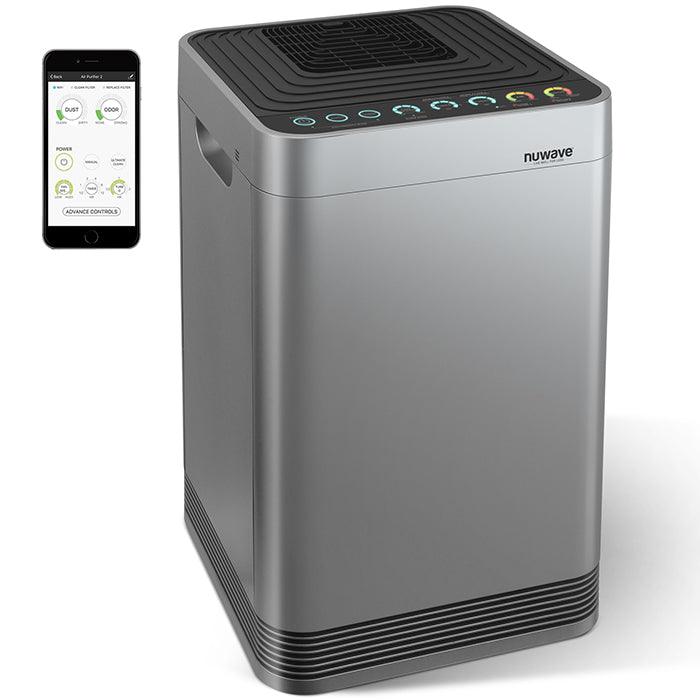
NuWave OxyPure Air Purifier
PERFECT FOR ULTRA-LARGE ROOMS: Improve indoor air circulation and purify 2,934ft² spaces in 60 minutes, or 586ft² in 12 minutes (CADR: 664.6 m³/h). The top-per…
Wi-FiSmartTrue HEPA
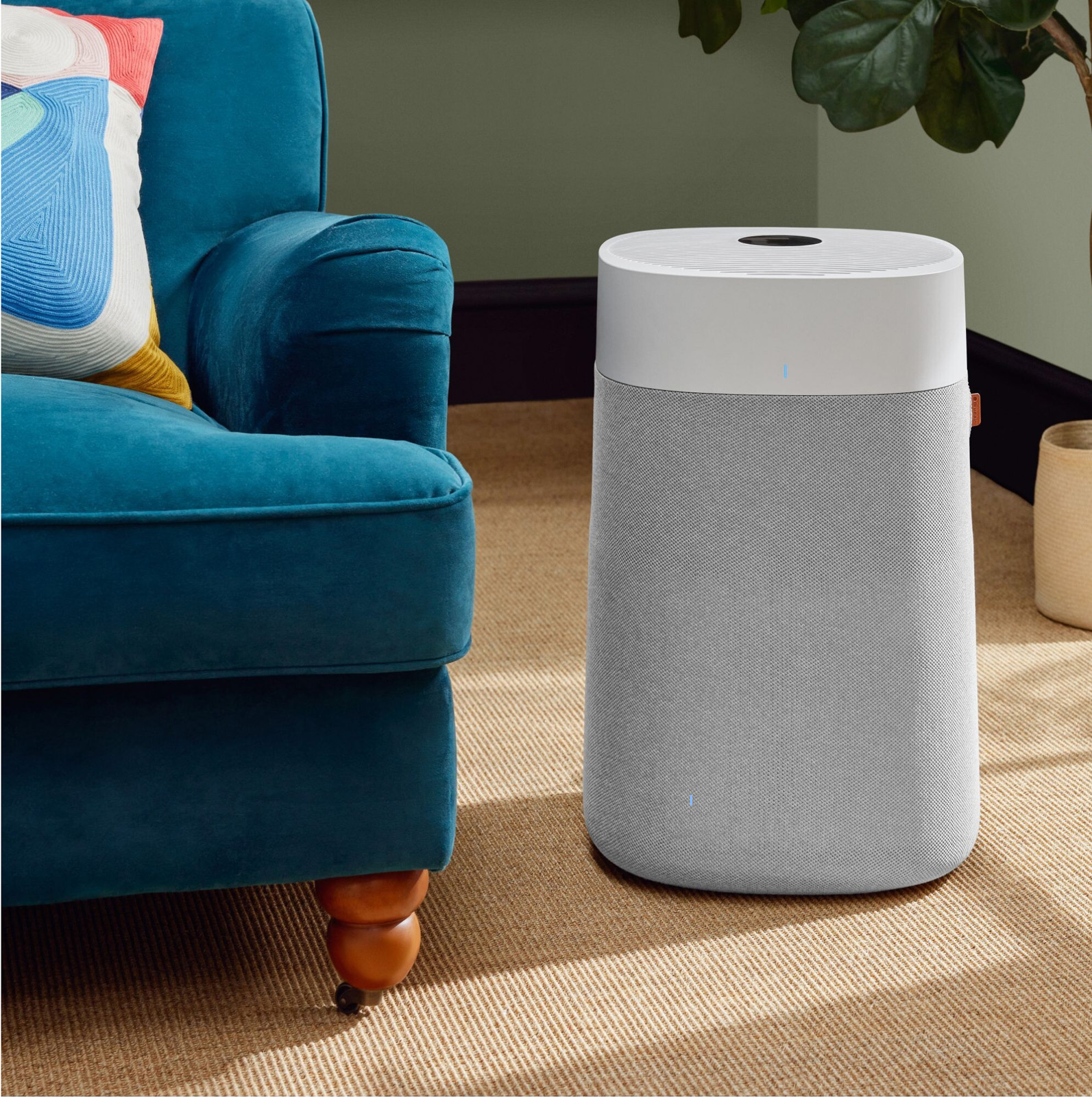
Blue Pure 211i Max Air Purifier
BLUEAIR’S TOP-PERFORMING AIR PURIFIER LINE: Blue family’s new Pure Max series with our proprietary HEPASilent performance now even better with up to 83% faster…
SmartTrue HEPALarge Room
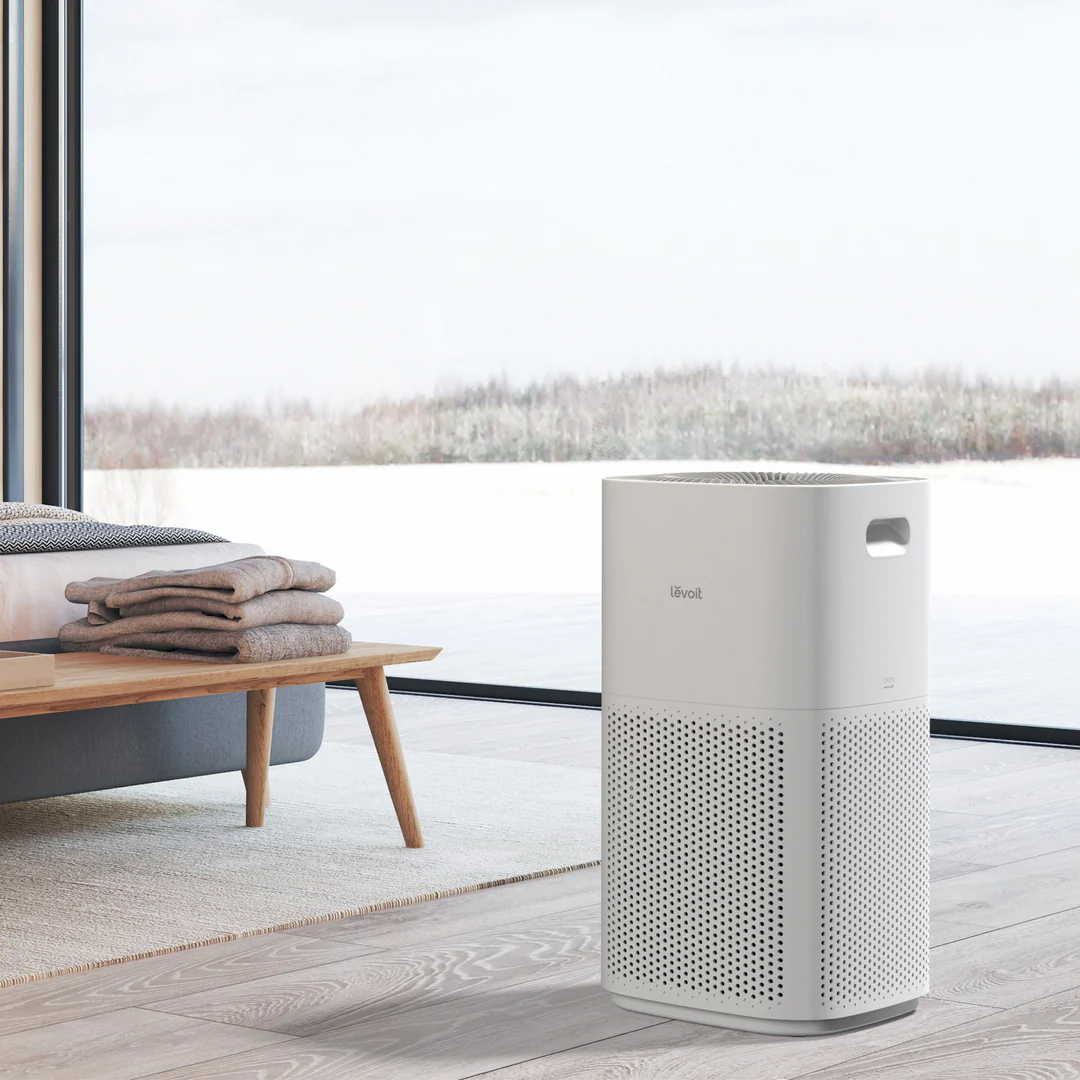
LEVOIT Core 600s Smart Air Purifier
LEVOIT'S MOST POWERFUL AIR PURIFIER: A juggernaut at purifying your air in any room. It scans the tiny contaminants and uses enhanced technology to keep your a…
SmartLarge RoomLow Noise
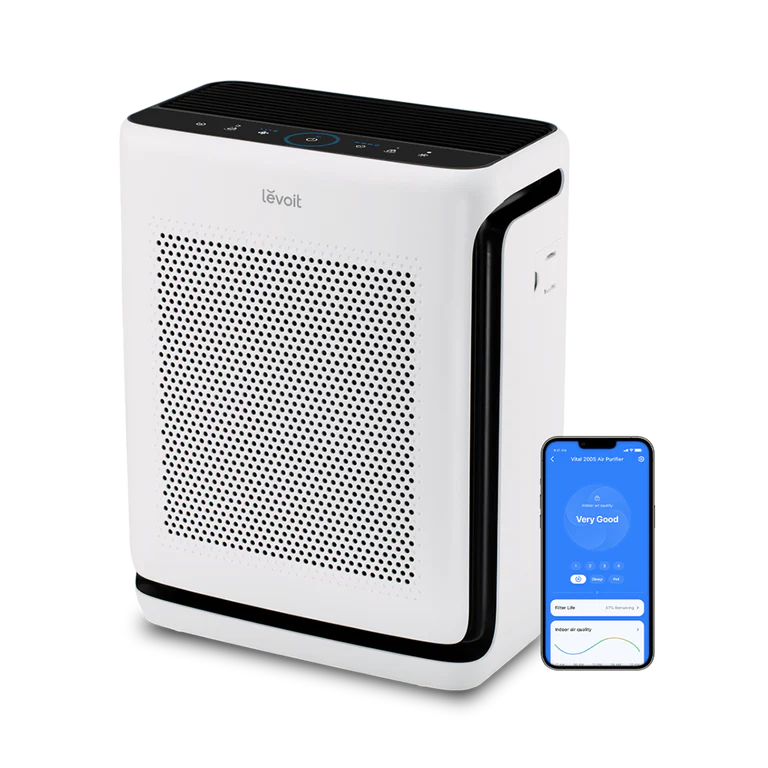
LEVOIT Vital 200S Smart True HEPA Air Purifier
LARGE BEDROOM COVERAGE: The Vital 200S is perfect for large, indoor spaces, especially large bedrooms. Purify a 380 ft² room 5x per hour, a 950 ft² room 2x per…
SmartTrue HEPALarge Room
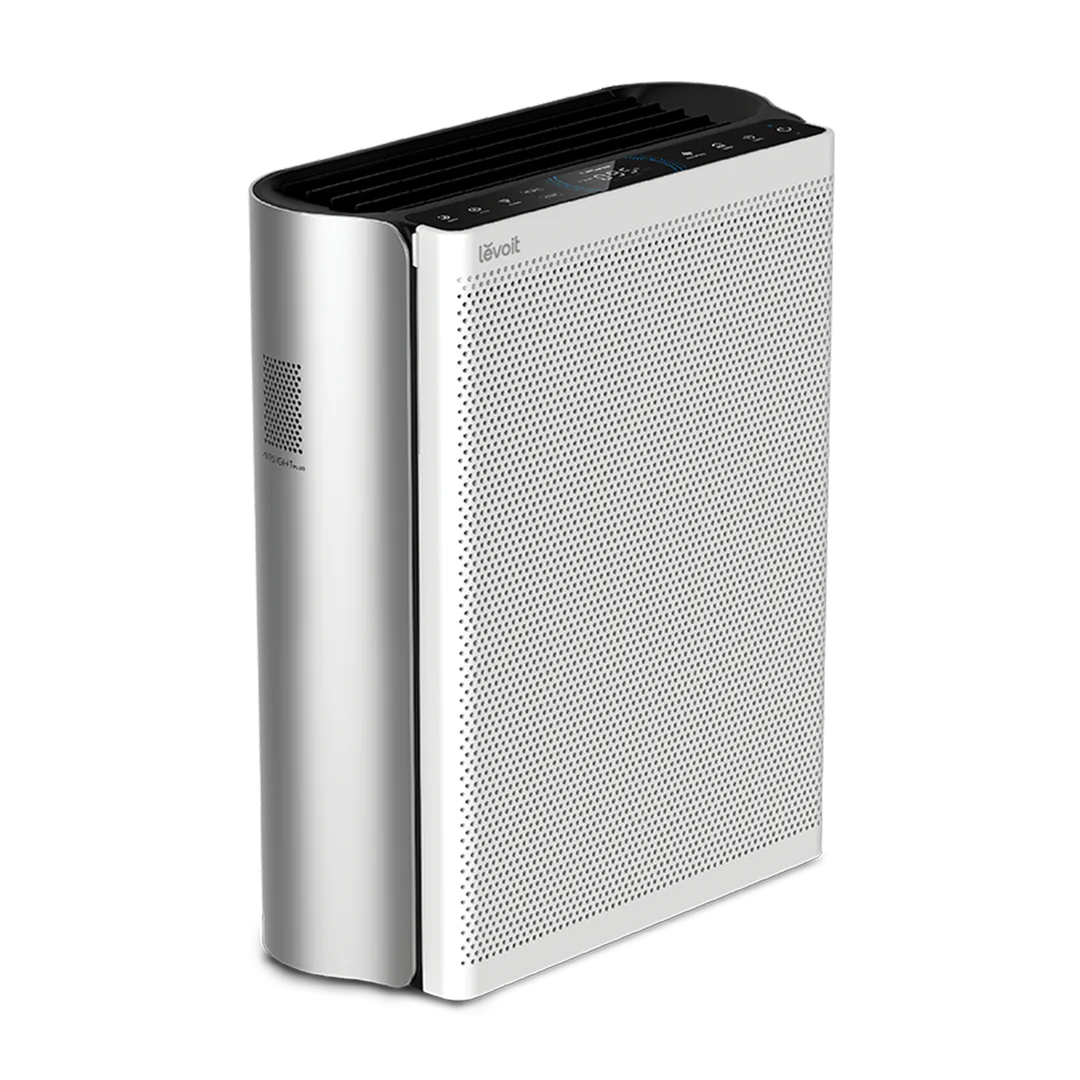
LEVOIT EverestAir® Smart Air Purifier - Extra Large Rooms
AIR CIRCULATION SYSTEM: Combining a large fan and unique fan duct design, the EverestAir quickly purifies the air in your largest rooms. With adjustable vent a…
SmartLarge RoomLow Noise
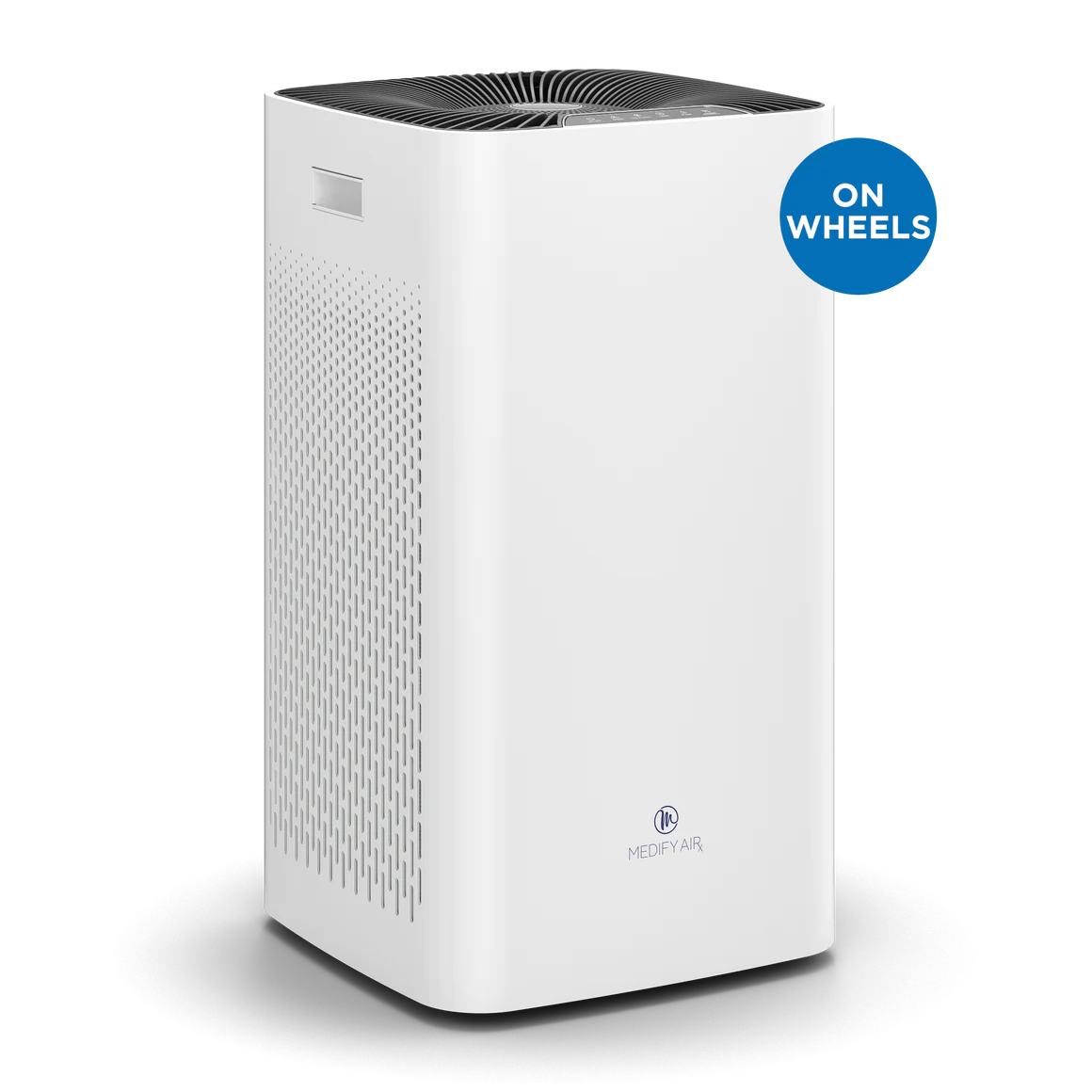
Medify MA-112 Air Purifier
UV LIGHT: An added layer of protection so particles are trapped and fully removed from the air. Includes a touch operation panel with 0-8 hour timer, 4 fan spe…
SmartTrue HEPALarge Room
Keep exploring